


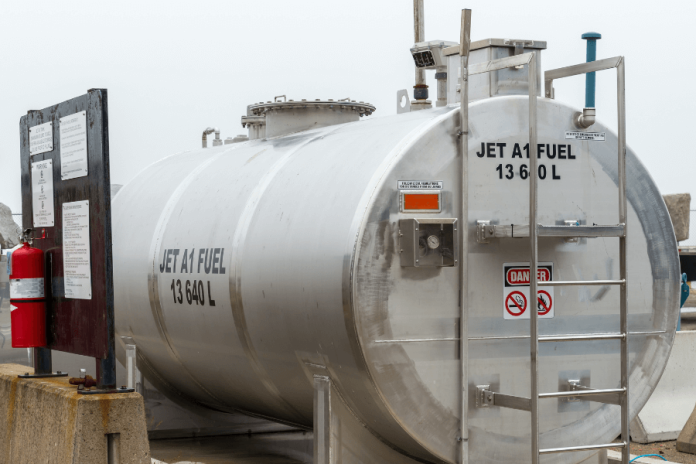
The aviation sector relies on efficient fuel management to ensure uninterrupted operations, cost control, and adherence to environmental and safety regulations. Jet fuel storage tanks play a crucial role in maintaining a steady supply of fuel for airports, airline operators, and aviation fuel suppliers. Without adequate storage solutions, fuel supply chains would be vulnerable to logistical delays and price fluctuations, disrupting commercial flight schedules and cargo transportation. In the UK, where air travel is a vital component of both domestic and international transport, well-maintained storage infrastructure is essential for supporting a growing aviation industry.
The aviation sector relies on efficient fuel management to ensure uninterrupted operations, cost control, and adherence to environmental and safety regulations. Jet fuel storage tanks play a crucial role in maintaining a steady supply of fuel for airports, airline operators, and aviation fuel suppliers. Without adequate storage solutions, fuel supply chains would be vulnerable to logistical delays and price fluctuations, disrupting commercial flight schedules and cargo transportation. In the UK, where air travel is a vital component of both domestic and international transport, well-maintained storage infrastructure is essential for supporting a growing aviation industry.
Steel tanks with corrosion protection for long-term fuel security
For aviation businesses, ensuring the longevity and safety of stored fuel is a priority. Jet fuel storage tanks constructed from steel with additional corrosion protection offer superior durability and resistance against harsh environmental conditions. Unlike other materials, steel tanks with specialised coatings or linings prevent contamination and structural deterioration, preserving fuel quality over extended periods. UK-based aviation operators must comply with stringent industry standards, such as those set by the Civil Aviation Authority (CAA) and environmental agencies, making protected steel tanks the preferred choice for secure, compliant fuel storage.
Strategic placement of fuel storage tanks at airports and terminals
Proper placement of jet fuel storage tanks is critical for operational efficiency in modern aviation logistics. Tanks are typically located within airport fuel farms, ensuring seamless refuelling processes for aircraft while meeting fire safety and environmental guidelines. In Britain, where major hubs such as Heathrow and Gatwick handle thousands of daily flights, optimised storage solutions reduce refuelling wait times and minimise disruptions. Businesses involved in ground-handling services and fuel logistics must collaborate with airport authorities to integrate efficient storage systems that enhance overall operational flow.
The role of fuel storage in cost management and supply chain stability
Fuel costs represent a significant portion of operational expenses for airline companies and logistics providers. Jet fuel storage tanks enable businesses to purchase fuel in bulk at favourable prices, mitigating the impact of market fluctuations. Additionally, having on-site storage reduces dependence on external suppliers and minimises risks associated with fuel shortages or delivery delays. In the UK, where aviation fuel demand is influenced by global oil markets and geopolitical factors, maintaining sufficient reserves in secure steel tanks is essential for long-term financial planning and supply chain resilience.
Compliance with UK safety and environmental regulations
Aviation fuel storage is subject to rigorous safety and environmental regulations in the UK, ensuring the protection of both operational personnel and surrounding communities. Jet fuel storage tanks must adhere to guidelines regarding leak prevention, secondary containment measures, and fire suppression systems. Regular inspections and maintenance schedules are mandatory to prevent fuel degradation and structural issues. Businesses operating in the aviation fuel sector must stay updated on evolving regulations and implement best practices to maintain compliance and avoid costly penalties.
Future developments in aviation fuel storage infrastructure
As the UK aviation industry evolves, the demand for more efficient and environmentally responsible fuel storage solutions continues to grow. Technological advancements in tank coatings, automated monitoring systems, and sustainable aviation fuel (SAF) integration are shaping the future of jet fuel storage. Businesses investing in modernised storage infrastructure will benefit from enhanced efficiency, reduced environmental impact, and improved long-term sustainability. With air traffic expected to increase in the coming decades, maintaining high standards in jet fuel storage tanks will be essential for meeting industry demands and regulatory expectations.


