


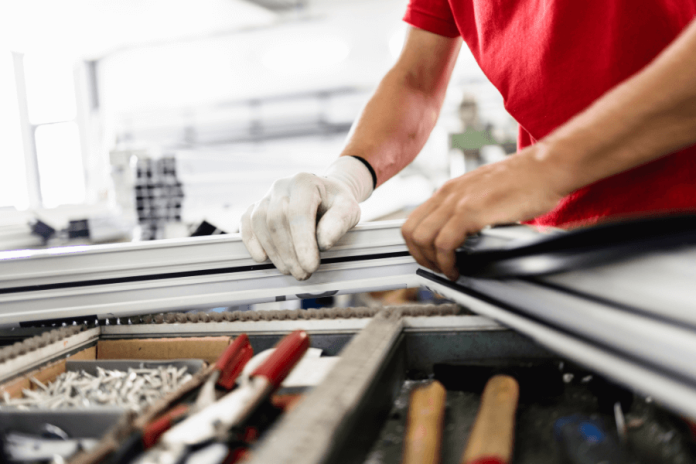
The use of steel in window manufacturing dates back to the early 20th century, when it became the material of choice for industrial buildings, warehouses, and commercial properties. Steel offered unmatched strength compared to timber, allowing for larger glass panes and enhanced durability. However, early steel windows had significant drawbacks, including their vulnerability to rust and corrosion. Without adequate protection, steel frames deteriorated over time, requiring frequent maintenance. Despite these challenges, businesses and developers recognised steel’s potential for long-term structural integrity, leading to the search for better corrosion-resistant solutions.
The use of steel in window manufacturing dates back to the early 20th century, when it became the material of choice for industrial buildings, warehouses, and commercial properties. Steel offered unmatched strength compared to timber, allowing for larger glass panes and enhanced durability. However, early steel windows had significant drawbacks, including their vulnerability to rust and corrosion. Without adequate protection, steel frames deteriorated over time, requiring frequent maintenance. Despite these challenges, businesses and developers recognised steel’s potential for long-term structural integrity, leading to the search for better corrosion-resistant solutions.
Advancements in Corrosion Protection for Steel Windows
As demand grew for durable and low-maintenance windows in commercial and industrial settings, manufacturers developed advanced corrosion protection techniques to extend the lifespan of steel frames. Galvanisation, in which steel is coated with a protective layer of zinc, became a widely used method to prevent rust formation. Later, powder coating and specialised paint systems further improved resistance to harsh environmental conditions. These advancements allowed a windows manufacturer to produce steel frames that were both robust and weather-resistant, meeting the needs of factories, office buildings, and high-traffic public facilities.
Energy Efficiency and Thermal Break Technology in Steel Windows
One of the key concerns for businesses investing in steel windows has been energy efficiency. Traditional steel frames, while strong, often led to significant heat loss due to their high thermal conductivity. To address this, manufacturers introduced thermal break technology, incorporating insulating materials between the inner and outer parts of the steel frame. This innovation helped reduce energy costs for commercial properties while ensuring compliance with modern building regulations. Today, businesses looking to lower operational expenses and improve sustainability increasingly choose thermally broken steel windows for their properties.
Security and Fire Resistance in Modern Steel Windows
Commercial properties and industrial facilities require windows that provide not only aesthetics and insulation but also high levels of security and fire resistance. Modern steel windows, treated with advanced protective coatings, offer superior resistance to forced entry, making them a preferred choice for corporate offices, warehouses, and government buildings. Additionally, fire-rated steel windows have become a crucial feature in many commercial environments, helping businesses comply with stringent safety regulations. The ability to withstand extreme conditions has positioned steel windows as an essential element in modern architectural design for enterprises.
Customisation and Aesthetic Trends in Contemporary Steel Window Manufacturing
While steel windows were once purely functional elements in industrial buildings, today’s commercial projects demand a balance between durability and design. Modern manufacturers offer extensive customisation options, allowing businesses to select from various finishes, profiles, and glazing choices. Advanced coating technologies ensure that steel windows not only resist corrosion but also complement the aesthetic requirements of office complexes, retail spaces, and hospitality venues. The evolution of design in steel window manufacturing has enabled businesses to enhance the visual appeal of their premises without compromising on durability and performance.
The Future of Steel Windows in Commercial and Industrial Applications
With continuous advancements in materials and protective treatments, steel windows remain a leading choice for companies seeking longevity, security, and energy efficiency. Innovations in nanotechnology coatings and self-healing materials promise even greater resistance to corrosion, reducing long-term maintenance costs for commercial property owners. Furthermore, stricter environmental regulations are driving manufacturers to develop sustainable solutions that align with green building certifications. As the demand for durable and high-performance windows grows, the role of a windows manufacturer in delivering innovative steel solutions will continue to shape the future of commercial architecture.


